

Dog Cold Treatment: Symptoms, Home Remedies & When to See a Vet
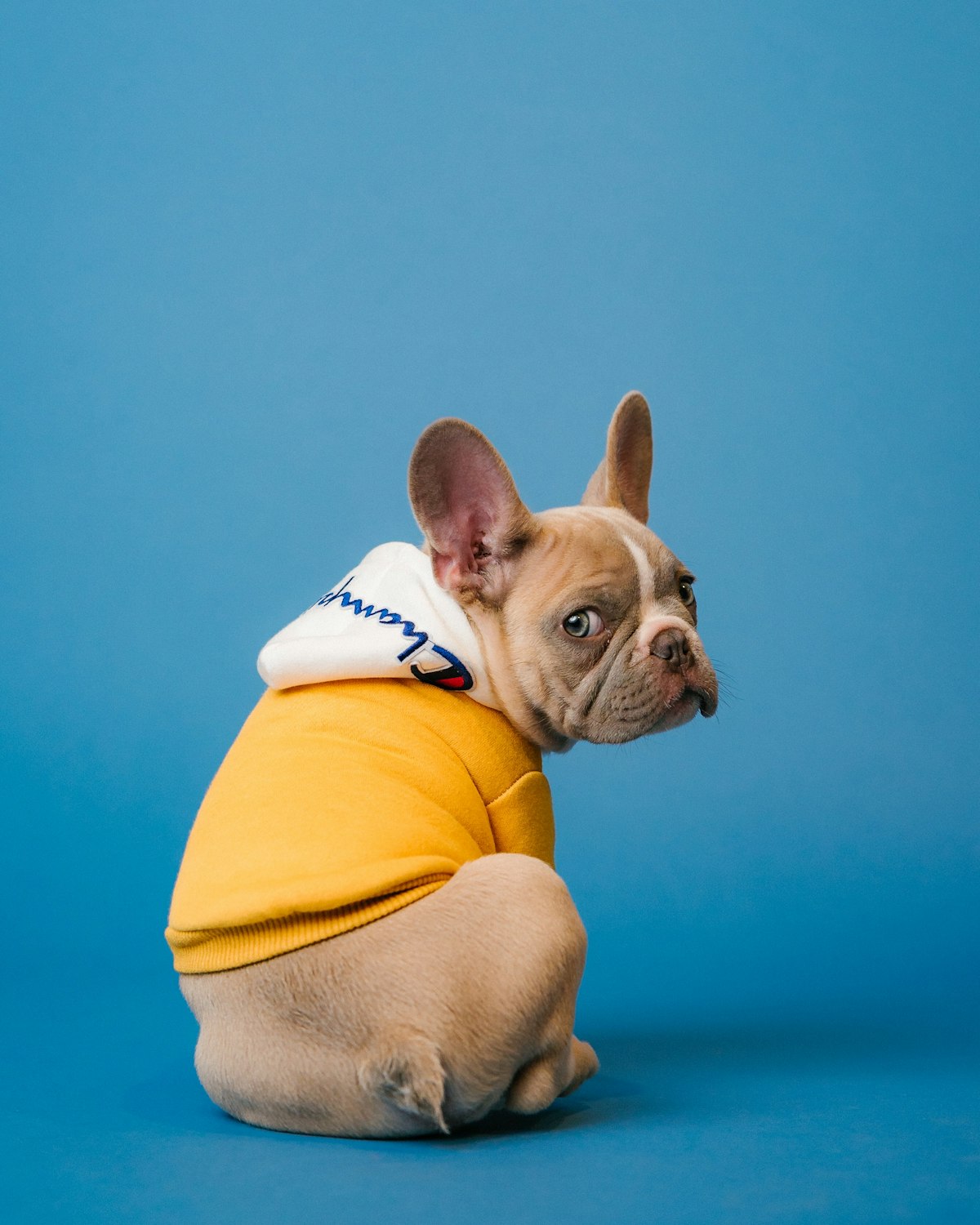
Has your dog been sneezing more than usual? Runny nose? Watery eyes and low energy? Just like humans, dogs can catch colds — though the viruses responsible are different and dogs cannot catch human colds, nor can you catch a dog cold. Understanding dog cold treatment helps you provide the right care, keep your dog comfortable, and know when the situation warrants veterinary attention.
Can Dogs Really Get Colds?
Yes — dogs experience upper respiratory infections very similar to human colds. These are caused by dog-specific viruses and bacteria including Bordetella bronchiseptica, canine adenovirus type 2, canine parainfluenza virus, and canine respiratory coronavirus. These pathogens are highly contagious between dogs but pose no risk to humans.
Symptoms of a Dog Cold
- Sneezing (frequent or in fits)
- Runny nose — clear discharge
- Watery eyes
- Mild coughing
- Lethargy
- Reduced appetite
- Mild fever
- Congestion — noisy breathing
Dog cold symptoms typically last 5–10 days in healthy adult dogs. Puppies, senior dogs, and immunocompromised dogs may experience more severe or prolonged illness.
Dog Cold Treatment at Home
1. Rest
The single most important thing for a dog with a cold is rest. Cancel strenuous exercise and keep your dog calm and comfortable. The immune system does its best work during rest — pushing a sick dog to exercise slows recovery significantly.
2. Keep Them Warm
Provide a warm, comfortable sleeping area away from drafts. Extra bedding and a warm environment support immune function. Avoid letting your sick dog sleep outdoors or in cold, damp areas.
3. Ensure Adequate Hydration
Illness causes dehydration. Make sure fresh water is always available and encourage drinking. If your dog is reluctant to drink, try adding a small amount of low-sodium chicken broth to the water to make it more appealing.
4. Steam Therapy
Sit with your dog in a steam-filled bathroom for 10–15 minutes after a hot shower. The warm, humid air loosens congestion and makes breathing more comfortable. This is one of the most effective and immediate-relief home remedies for dog colds.
5. Humidifier
Run a cool-mist humidifier near your dog's resting area. Moist air reduces nasal irritation, soothes inflamed airways, and makes breathing easier throughout the day and night.
6. Warm Food
A dog with a cold may lose interest in food — partially because congestion reduces their sense of smell, and dogs rely heavily on smell to find food appealing. Warming food slightly enhances aroma and can stimulate appetite. Offer small, frequent meals of easily digestible food.
7. Clean Nasal Discharge
Gently wipe nasal discharge with a soft, damp cloth or pet-safe wipes several times a day. Accumulated discharge causes discomfort and can lead to skin irritation around the nose.
8. Isolate from Other Dogs
Dog colds are highly contagious between dogs. Keep your sick dog away from other household dogs and avoid dog parks, kennels, and social situations until fully recovered. Most dogs are contagious for the duration of their illness plus a few days after symptoms resolve.
What NOT to Give a Dog with a Cold
- Human cold medications — decongestants, antihistamines marketed for humans, and combination cold medicines can be toxic to dogs
- Pseudoephedrine (found in Sudafed and many cold medicines) — extremely toxic to dogs, causes seizures and cardiac arrest
- Xylitol-containing products — toxic to dogs
- Ibuprofen or acetaminophen — toxic to dogs
Only give medications specifically prescribed or approved by your veterinarian.
Supporting Recovery with Nutrition
A strong immune system fights off cold viruses more effectively. High-quality protein supports immune cell production. Natural, single-ingredient treats like natural protein chews and treats provide clean nutrition without the artificial additives found in processed treats that may stress an already-taxed immune system.
When to See the Vet for a Dog Cold
- Symptoms lasting more than 10 days without improvement
- Yellow or green nasal discharge (indicates bacterial infection)
- High fever (above 104°F)
- Difficulty breathing or labored respiration
- Complete loss of appetite for more than 24–48 hours
- Puppies or senior dogs (they deteriorate faster)
- Dogs with pre-existing heart or lung conditions
- Significant worsening after initially improving
Frequently Asked Questions About Dog Colds
Can my dog give me their cold?
No. Dog cold viruses are species-specific and cannot infect humans. Similarly, you cannot give your human cold to your dog. The viruses are completely different, though the symptoms look similar.
How long does a dog cold last?
Most dog colds resolve within 5–10 days with proper rest and supportive care. Mild symptoms like occasional sneezing may persist a bit longer. If symptoms worsen after day 3–4 or haven't improved by day 10, veterinary evaluation is warranted.
Should I keep my dog warm when they have a cold?
Yes — warmth and comfort support the immune system. Provide extra bedding, keep your dog away from drafts and cold floors, and maintain a comfortable ambient temperature. However, do not overheat your dog or wrap them too tightly as this can cause overheating.
Is a dog cold the same as kennel cough?
They overlap but are not identical. Kennel cough (Bordetella) is one specific type of upper respiratory infection with a characteristic harsh, honking cough. A dog cold is a broader term for any upper respiratory infection. Kennel cough is highly contagious and can be prevented with the Bordetella vaccine.


