

Dog Eye Boogers Treatment: What's Normal, What's Not & How to Clean Them
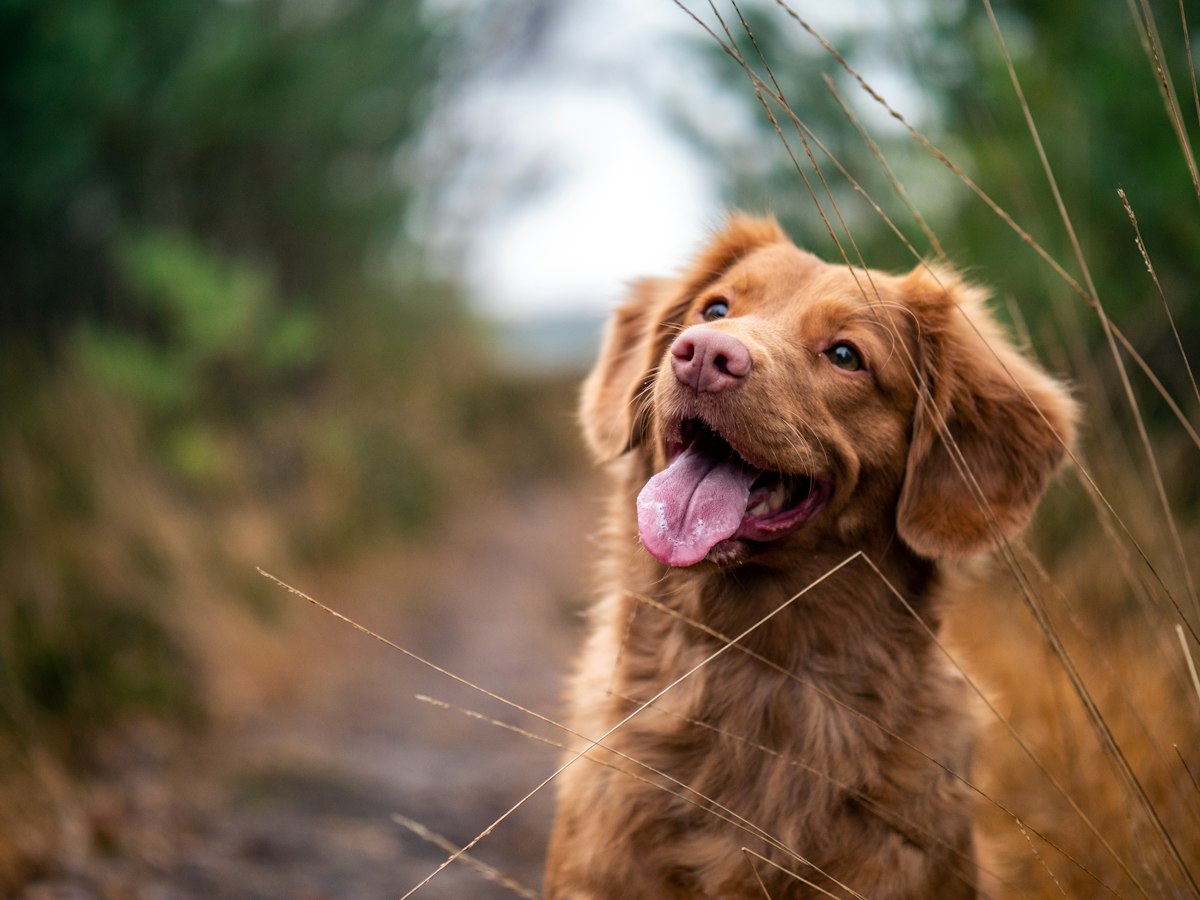
Every dog owner has noticed that crusty buildup in the corner of their dog's eyes at some point. Commonly called "eye boogers" or "sleep" — the medical term is ocular discharge — it's something most dogs produce to some degree. But how do you know when eye discharge is perfectly normal and when it signals a problem that needs attention? This guide covers everything you need to know about dog eye boogers treatment, causes, and prevention.
What Causes Eye Discharge in Dogs?
The eyes constantly produce small amounts of fluid to keep the surface lubricated and to flush out dust and debris. This fluid, combined with dead cells and environmental particles, forms the discharge that accumulates in the corner of the eye. A small amount of crust — particularly after sleep — is completely normal in most dogs.
Types of Dog Eye Discharge and What They Mean
Clear, Watery Discharge — Usually Normal or Mild Irritation
Clear, watery discharge is usually benign. Common causes include:
- Dust or environmental irritants
- Wind exposure (especially in car-riding dogs)
- Seasonal allergies
- Breed predisposition (flat-faced breeds produce more tear overflow)
White or Gray Mucus — Monitor Closely
Slightly thicker white or gray discharge can indicate dry eye (keratoconjunctivitis sicca/KCS) — a condition where insufficient tears are produced. The eye compensates by producing mucus. Dry eye requires veterinary treatment with lubricating drops or cyclosporine eye drops.
Yellow or Green Discharge — Veterinary Attention Needed
Yellow or green discharge almost always indicates bacterial infection (conjunctivitis). This requires antibiotic eye drops prescribed by a veterinarian. Do not attempt to treat bacterial eye infections at home without veterinary guidance.
Brown Tear Staining
The reddish-brown staining visible on the fur below the eyes — particularly common in white and light-colored dogs — is caused by porphyrin, a pigment present in tears. Excessive tearing causes more staining. It's primarily a cosmetic concern rather than a health problem, though the underlying cause of excessive tearing should be addressed.
Breeds Most Prone to Eye Discharge
Certain breeds produce significantly more eye discharge due to their anatomy:
- Brachycephalic breeds (Bulldogs, Pugs, Shih Tzus, Boxers, Boston Terriers) — shallow eye sockets and prominent eyes lead to more tear overflow and discharge
- Cocker Spaniels — prone to blocked tear ducts
- Poodles and Maltese — prone to excessive tearing and staining
- Bloodhounds and Basset Hounds — loose eyelid skin can cause eyes to collect debris
Dog Eye Boogers Treatment — How to Clean Eye Discharge
Daily Cleaning Routine
For dogs that produce regular discharge, daily cleaning prevents buildup and associated skin irritation:
- Wash your hands thoroughly
- Dampen a soft cloth, cotton ball, or pet-safe eye wipe with warm water or sterile saline
- Gently wipe from the inner corner of the eye outward — never wipe inward toward the eye
- Use a fresh cotton ball for each eye to prevent cross-contamination
- Pat the area dry with a soft, clean cloth
- Never use the same cloth for both eyes
For Brown Tear Staining
Tear staining can be reduced with:
- Daily cleaning of the stained area with a damp cloth
- Keeping fur trimmed short around the eyes
- Filtering drinking water (some dogs react to mineral content)
- Pet-safe tear stain removal wipes and solutions
- Addressing the underlying cause of excessive tearing
What to Use for Cleaning
- ✅ Warm water
- ✅ Sterile saline solution
- ✅ Pet-safe eye wipes
- ❌ Never use hydrogen peroxide near eyes
- ❌ Never use human eye drops without veterinary guidance
- ❌ Never use cotton swabs (Q-tips) near the eye surface
When to See the Vet About Eye Discharge
- Yellow or green discharge
- Significant increase in discharge amount
- Redness or swelling of the eye or surrounding tissue
- Squinting or pawing at the eye
- Cloudiness of the eye surface
- Visible injury or foreign object in the eye
- Discharge accompanied by sneezing or nasal discharge
Frequently Asked Questions About Dog Eye Boogers
How often should I clean my dog's eye discharge?
For dogs with minimal discharge, cleaning every few days is sufficient. Breeds prone to heavy discharge — particularly flat-faced breeds — benefit from daily cleaning. The goal is to prevent buildup that can cause skin irritation and secondary infections in the surrounding fur.
Why does my dog have more eye discharge in the morning?
Just like humans, dogs accumulate more eye discharge while sleeping because blinking is reduced and the eye's natural cleaning mechanism slows. This morning discharge is normal and is simply the accumulation of a night's worth of natural eye fluid mixed with dust and dead cells.
Can diet affect eye discharge in dogs?
Yes. Food allergies can increase tearing and discharge. Some owners report reduced tear staining when switching to a novel protein diet or filtered water. Single-ingredient hypoallergenic treats can be helpful as part of identifying dietary triggers.
Are eye boogers painful for dogs?
Small amounts of normal discharge are not painful. However, dried, crusty buildup can stick to the fur and pull uncomfortably, and accumulated discharge can cause skin irritation and secondary infections in the folds beneath the eyes. This is why regular cleaning is important — not just for appearance but for comfort.


