

Dog Pica Treatment: Why Dogs Eat Non-Food Items & How to Stop It
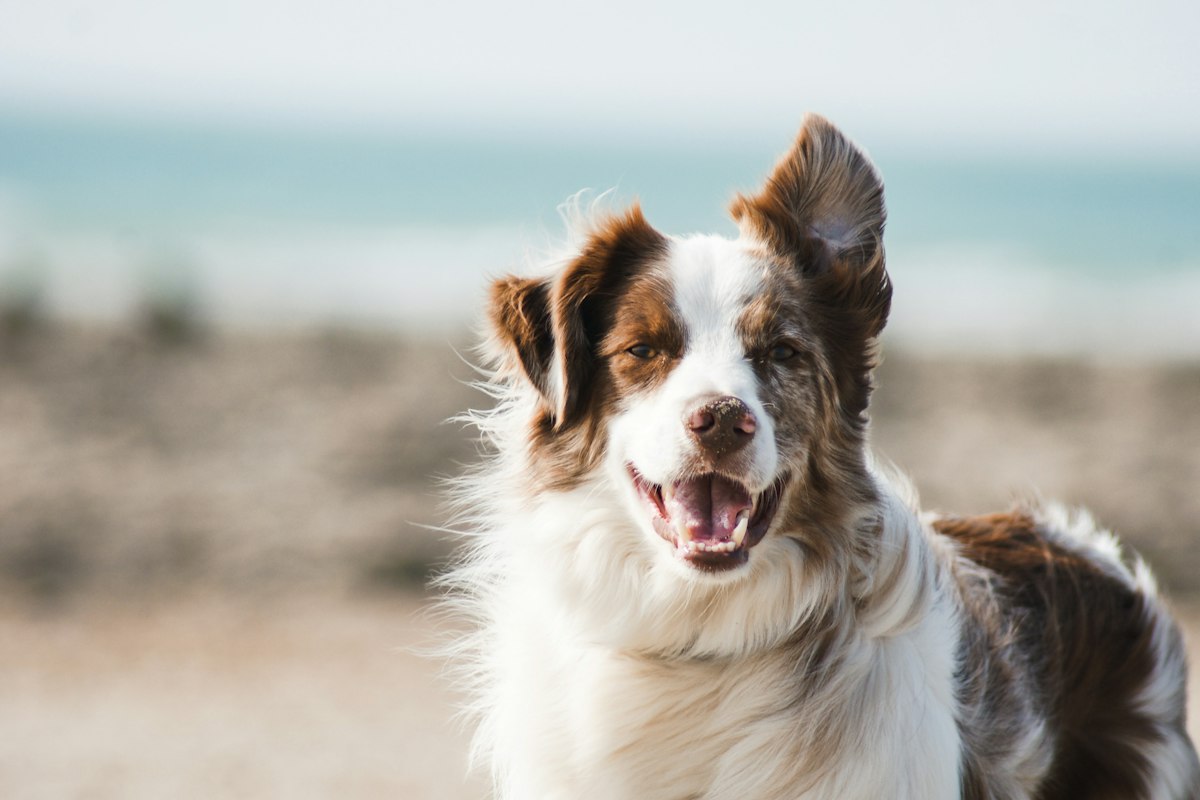
Does your dog eat rocks, dirt, socks, plastic, paper, or other non-food items? If so, they may have pica - a compulsive behavior disorder characterized by persistent eating of non-nutritional substances. Dog pica treatment depends on identifying and addressing the underlying cause, which can range from nutritional deficiencies to anxiety disorders. This guide covers everything you need to know.
What Is Pica in Dogs?
Pica is defined as the persistent consumption of non-food items. It differs from normal puppy exploratory mouthing or occasional chewing - dogs with pica compulsively seek out and swallow specific non-food substances repeatedly. The behavior can be dangerous, leading to intestinal obstruction, toxin ingestion, or internal injuries.
Common Items Dogs with Pica Eat
- Rocks and gravel
- Dirt and soil
- Grass (though some grass eating is normal)
- Fabric (socks, underwear, blankets)
- Plastic objects
- Paper and cardboard
- Wood and sticks
- Feces (coprophagia - its own specific behavior)
- Cat litter
- Metal objects
Causes of Pica in Dogs
Medical Causes
- Nutritional deficiencies - anemia, mineral deficiencies (particularly iron), vitamin deficiencies
- Gastrointestinal disease - dogs may eat grass or dirt to relieve GI discomfort
- Parasites - intestinal worms can trigger unusual eating behaviors
- Diabetes - increased appetite may extend to non-food items
- Thyroid disease - hyperthyroidism can cause increased appetite and unusual behaviors
- Neurological disorders
- Side effects of certain medications - steroids in particular increase appetite
Behavioral and Psychological Causes
- Boredom - under-stimulated dogs may seek entertainment through eating objects
- Anxiety - stress and separation anxiety commonly manifest as compulsive behaviors
- Attention-seeking - dogs learn that eating prohibited items gets an immediate response
- Learned behavior - some dogs learn pica behaviors by watching other dogs
- Compulsive disorder - true obsessive-compulsive disorder in dogs
Dog Pica Treatment
Step 1 - Veterinary Diagnosis
Because pica has multiple potential causes, a veterinary examination is essential before attempting treatment. Your vet will likely perform blood work, fecal examination for parasites, and possibly imaging to rule out medical causes. Treating medical pica with behavioral methods alone will not work.
Step 2 - Rule Out and Treat Medical Causes
- Treat intestinal parasites with appropriate deworming
- Address nutritional deficiencies with dietary changes or supplements
- Manage underlying diseases (diabetes, thyroid conditions)
- Adjust medications if they are contributing
Step 3 - Improve Diet Quality
Switch to a high-quality, nutritionally complete diet. Many cases of pica are driven by the dog seeking nutrients missing from a poor-quality diet. Single-ingredient natural proteins provide clean, bioavailable nutrition. Natural protein treats made from single ingredients without fillers support complete nutrition alongside a quality main diet.
Step 4 - Environmental Management
Remove access to preferred non-food items as much as possible. Keep the environment free of objects your dog targets. Use baby gates, closed doors, and careful supervision to limit opportunities for pica behavior.
Step 5 - Mental and Physical Enrichment
For boredom and anxiety-driven pica, enrichment is one of the most effective treatments:
- Increase daily exercise - longer walks, fetch, swimming
- Provide puzzle toys and food-dispensing toys to occupy the mind
- Rotate toys regularly to maintain novelty
- Increase social interaction and training sessions
- Consider doggy daycare for dogs with separation anxiety
Step 6 - Behavioral Training
- Teach and reinforce a strong "leave it" command
- Practice "drop it" for when objects are already in the mouth
- Reward heavily for ignoring target objects
- Never chase your dog when they have a forbidden item - this becomes a game
Step 7 - Medication for Severe Cases
For true compulsive disorder-driven pica that does not respond to behavioral intervention, veterinary-prescribed medication including SSRIs (fluoxetine) or clomipramine may help reduce compulsive behavior intensity alongside behavioral therapy.
When Pica Becomes an Emergency
If your dog has swallowed a large or sharp object, call your vet or emergency clinic immediately. Signs of intestinal obstruction include:
- Vomiting (especially repeated)
- Distended or painful abdomen
- Straining to defecate without result
- Lethargy and loss of appetite
- Obvious distress
Frequently Asked Questions About Dog Pica
Is pica dangerous for dogs?
It can be extremely dangerous. Swallowed objects can cause choking, intestinal obstruction requiring emergency surgery, internal injuries from sharp edges, toxin poisoning, and heavy metal toxicity. Some cases of pica are fatal. This is why addressing it promptly is so important.
Can pica be cured in dogs?
Pica caused by medical conditions often resolves completely when the underlying condition is treated. Behavioral pica is manageable with appropriate training, enrichment, and in some cases medication, though it may require ongoing management rather than a permanent cure for some dogs.
Why does my dog eat grass?
Occasional grass eating is normal dog behavior and is not classified as pica. Dogs eat grass for various reasons including GI discomfort, boredom, enjoyment of the taste, or instinctive behavior. Compulsive, constant grass eating that results in vomiting or that your dog seems distressed about warrants investigation.
What breeds are most prone to pica?
While pica can affect any dog, certain breeds seem more predisposed including Labrador Retrievers, Golden Retrievers, and Border Collies. Dogs with high anxiety or obsessive tendencies are also at higher risk. Individual personality plays a significant role regardless of breed.


