

Dog Sprained Leg Treatment: Signs, First Aid & Recovery Guide
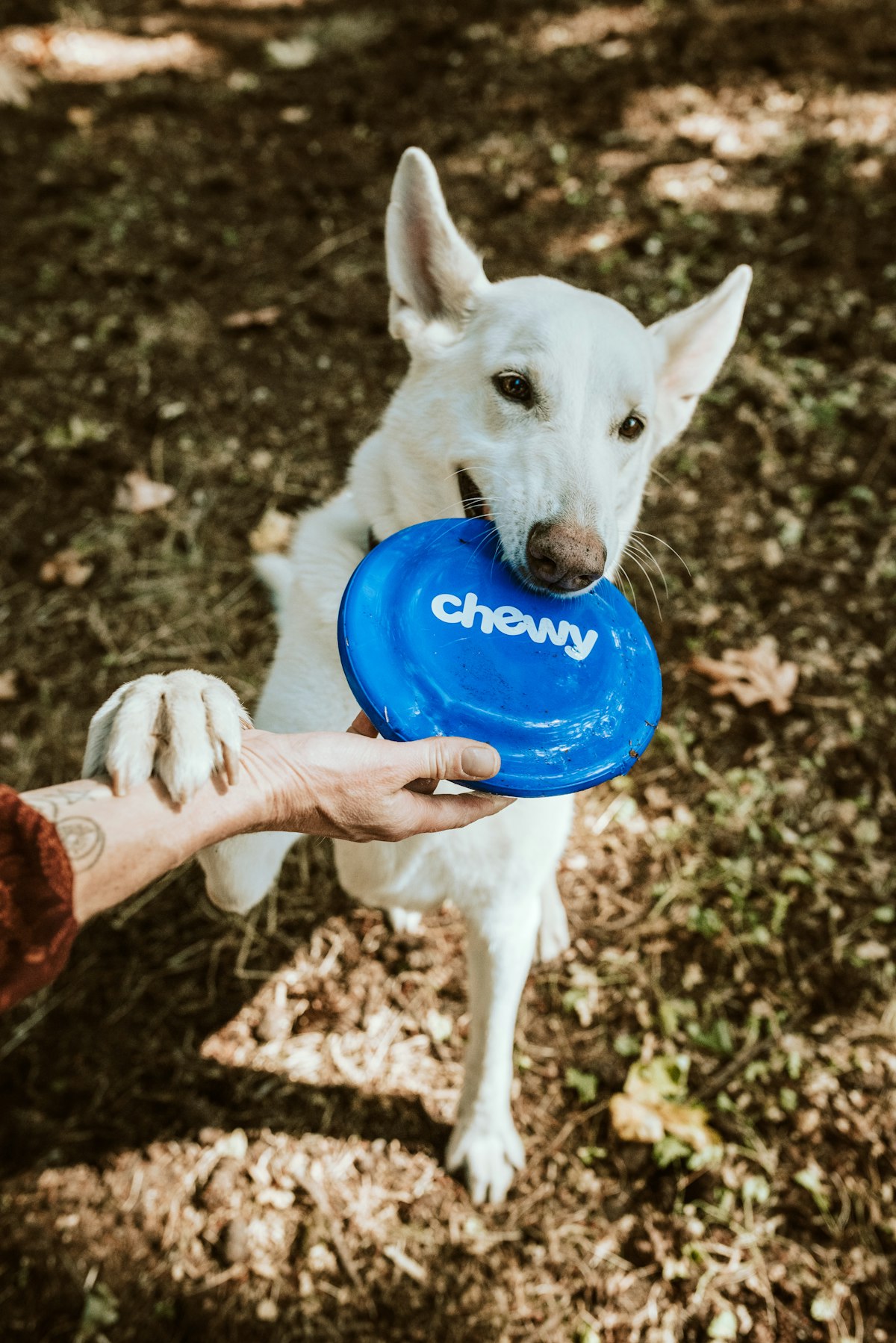
Dogs are active, energetic animals — and that energy sometimes leads to sprains and soft tissue injuries. Whether from an awkward landing after jumping, a misstep during play, or overexertion on a hike, a sprained leg is one of the most common musculoskeletal injuries in dogs. Knowing how to recognize and treat a dog sprained leg can make a significant difference in your dog's recovery time and comfort.
Signs of a Sprained Leg in Dogs
- Sudden lameness or limping after activity
- Reluctance to bear weight on one leg
- Swelling around a joint (wrist, elbow, knee, ankle)
- Warmth and tenderness at the injury site
- Whining or yelping when the area is touched
- Licking or chewing at the affected leg
- Reduced activity and reluctance to exercise
- Visible change in gait or posture
Sprain vs Fracture — How to Tell the Difference
This is critical. A sprain involves soft tissue (ligaments, tendons, muscles) while a fracture involves bone. Signs that suggest fracture rather than sprain include:
- Complete non-weight bearing (won't put any weight on the leg)
- Visible deformity or abnormal angle of the limb
- Bone protruding through skin (open fracture — emergency)
- Grinding sensation when the limb is gently moved
- Extreme pain response even to very gentle touching
If you suspect a fracture, immobilize the limb as best you can and go to an emergency vet immediately. Do not attempt to set or manipulate the limb.
Dog Sprained Leg Treatment at Home
For mild sprains where your dog can bear some weight and isn't in severe distress, home care is appropriate for the first 24–48 hours:
Step 1: Rest — The Most Important Treatment
Strict rest is the foundation of sprain recovery. Confine your dog to a small, safe area to prevent running, jumping, and rough play. No stairs, no jumping on furniture, no off-leash running. Short, slow leash walks for bathroom breaks only. Rest for at least 48–72 hours minimum for mild sprains.
Step 2: Cold Therapy (First 24–48 Hours)
Apply a cold pack wrapped in a towel to the injured area for 10–15 minutes, 3–4 times per day during the first 48 hours. Cold reduces swelling, inflammation, and pain. Never apply ice directly to skin — always use a barrier.
Step 3: Warm Therapy (After 48 Hours)
After the initial inflammation period, switch to warm compresses for 10–15 minutes before gentle movement. Heat increases blood flow to the area, promoting healing and reducing stiffness.
Step 4: Gentle Massage
After the acute phase (48+ hours), gentle massage around (not directly on) the injured area improves circulation and reduces muscle tension from compensatory movements. Keep it light — if your dog shows pain, stop immediately.
Step 5: Support Healing with Good Nutrition
Joint and connective tissue healing benefits from specific nutrients. Collagen-rich chews support ligament and tendon repair. Natural collagen chews and joint-supporting treats like beef trachea, chicken feet (rich in natural glucosamine), and collagen rolls provide the building blocks tissues need to repair effectively.
Grades of Sprains in Dogs
Grade 1 (Mild) — microscopic tears in ligament fibers. Dog walks with slight limp. Recovery: 1–2 weeks with rest.
Grade 2 (Moderate) — partial ligament tear. Dog limps noticeably, some instability. Recovery: 4–8 weeks, may need veterinary treatment.
Grade 3 (Severe) — complete ligament rupture. Dog cannot bear weight, significant instability. Requires veterinary treatment, possible surgery.
When to See the Vet for a Dog Sprained Leg
- Complete non-weight bearing after 24 hours
- Significant swelling that isn't reducing after 48 hours
- Visible deformity of the limb
- Severe pain response
- No improvement after 3–5 days of home rest
- Recurring lameness in the same leg
- Suspected cruciate ligament injury (common in medium to large breeds)
Cruciate Ligament Injuries in Dogs
The cranial cruciate ligament (CCL) — the equivalent of the human ACL — is one of the most commonly injured structures in dogs. CCL tears cause significant rear leg lameness and instability. Unlike mild sprains, CCL tears almost always require surgical repair for full function to be restored. If your dog is significantly lame in a rear leg, CCL injury should be ruled out by a veterinarian.
Frequently Asked Questions About Dog Sprained Legs
How long does a dog sprained leg take to heal?
Mild Grade 1 sprains typically heal within 1–2 weeks with strict rest. Grade 2 sprains take 4–8 weeks. Grade 3 sprains or ligament tears may take months and often require surgery and formal rehabilitation. The single biggest factor in recovery time is strict rest compliance — dogs that continue to run and play during recovery heal much more slowly.
Should I wrap my dog's sprained leg?
Light compression wrapping can help reduce swelling in the first 24–48 hours but must be done correctly — too tight and it cuts off circulation. Unless you have experience with bandaging, it is safer to skip wrapping and focus on cold therapy and rest. If wrapping is needed, ask your vet to demonstrate the correct technique.
Can dogs sprain their legs from jumping?
Yes — jumping from height is one of the most common causes of sprains in dogs. Landing awkwardly after jumping off furniture, out of cars, or during play puts significant stress on joints and ligaments. For dogs with recurring sprain issues, use ramps for car access and discourage furniture jumping.
How can I tell if my dog is in pain from a sprain?
Dogs hide pain instinctively. Beyond obvious limping, look for subtle signs: reluctance to go up or down stairs, changes in sleeping position, reduced interest in play, increased irritability or aggression when the area is approached, and licking or chewing at the leg.


